


The 6 AM Yard Plan Dilemma
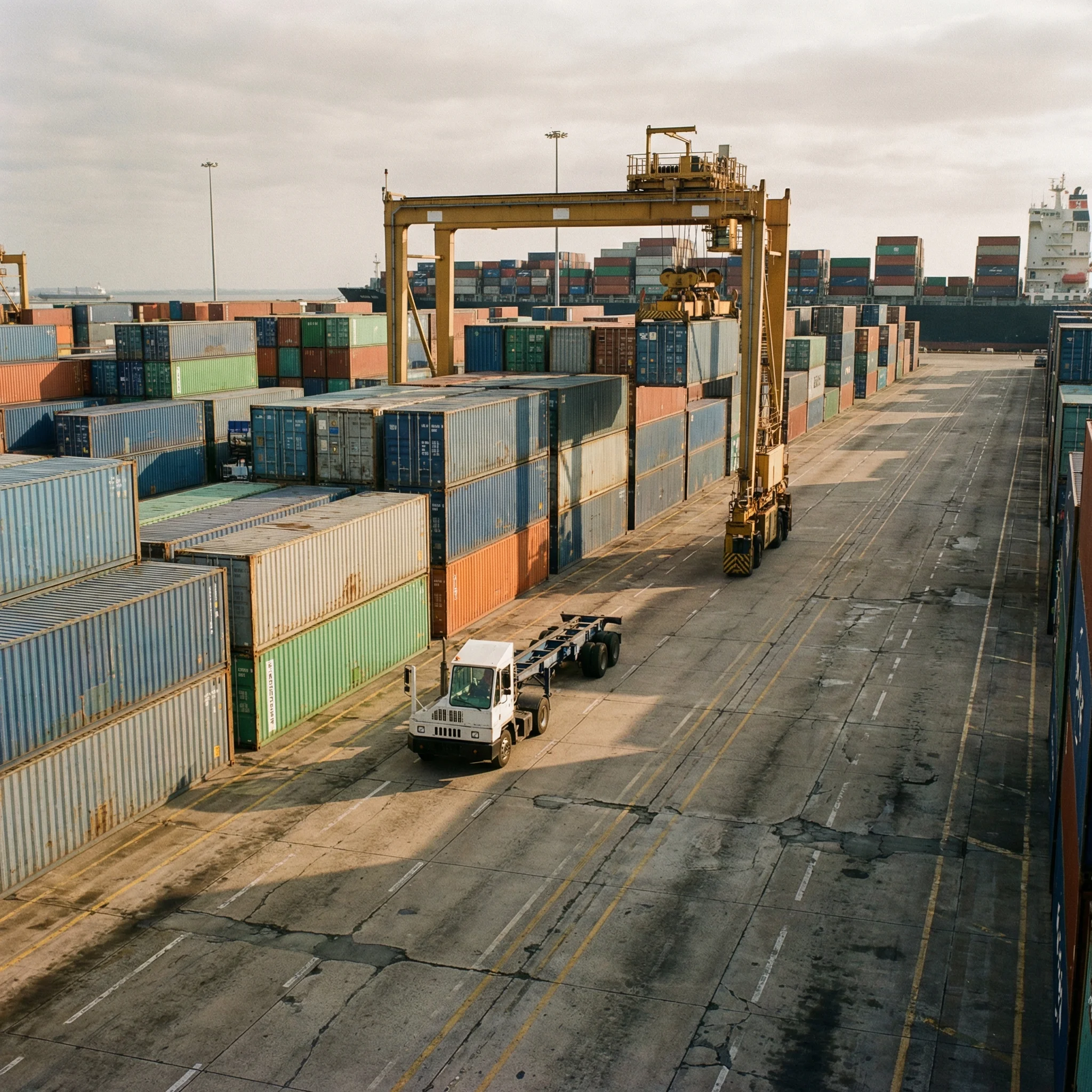
Every terminal operations manager knows the routine: by 6 AM, the yard plan is set. On paper, everything seems perfect. Containers will flow smoothly, and the day will go off without a hitch. But by 10 AM, reality triggers chaos. A vessel is delayed, or trucks don’t show up in the expected order, and the carefully laid plan starts falling apart. It’s not just frustrating; it leads to inefficiencies that burn time and fuel. So, why is it so hard to stick to the plan?
Why 35% of Equipment Hours Go to Rehandles
The root cause? Rehandles. When our plans unravel, the effort to reshuffle containers eats up a staggering 35% of equipment hours. Think about it: that’s over a third of your resources tied up in rearranging containers, just to keep the yard from grinding to a halt. You stack containers based on a plan that can’t account for last-minute changes, forcing you to shift them over and over again. Fuel burns, wear and tear increase, and productivity drops. It’s the terminal’s version of Groundhog Day.
Traditional Planning vs. Real-Time Adjustments
Traditional yard planning is like playing chess with only the opening moves prepared. You set up your pieces, but when the game actually starts, you’re scrambling. It’s usually a static plan, made using yesterday’s data that’s already outdated by the time the workday begins. You miss timely vessel ETA updates and truck appointment changes. There’s rarely a way to integrate these updates into the plan quickly.
Enter CYMS’s AI Yard Planner. It’s like having a chess coach continuously rethinking the strategy in real-time. This system recalculates stacking orders every 90 seconds. Yes, every 90 seconds. It factors in live data: vessel ETAs, truck appointments, and reefer container priorities. It’s not just reacting, it’s adapting.
What the AI Yard Planner Actually Considers
CYMS’s AI Yard Planner is comprehensive. It doesn’t just move containers around arbitrarily. The system considers weight classes to avoid overloading equipment and manage container stability. Hazmat regulations are critical, so it ensures hazardous materials are stored according to safety protocols. Reefer plugs are scarce resources; the planner optimizes for their use based on real-time needs. Export vessel cut-off times are no longer looming deadlines; they’re integrated into the stacking strategy.
Then there’s dwell time prediction, which you might overlook in manual planning. The AI assesses how long each container is expected to stay in the yard and stacks them accordingly, minimizing unnecessary moves.
The Results: More Than Just Numbers
Here’s the thing: these aren’t just tech specs. The AI Yard Planner’s impact is real and profound. By continuously recalculating and optimizing, rehandles drop by 40%. That’s less wasted time and fewer headaches for the team on the ground. Equipment fuel burn? Down by 28%. That’s not just better for the budget, it’s a win for sustainability, reducing emissions and cutting down on unnecessary fuel consumption.
Try It Yourself
So, what can you do? If your yard plan routinely falls apart, consider trying our AI Yard Planner. It’s more than a tool; it’s a chance to reclaim your equipment hours and reduce operational stress. No plan survives first contact with the enemy, but with the right support, you can march towards efficiency. Check our documentation for a deeper dive into the specifics, and see how adaptive planning can transform your operations. Ready to minimize chaos by 10 AM? Give it a shot.