

The Chaos of the Uncoordinated Handoff
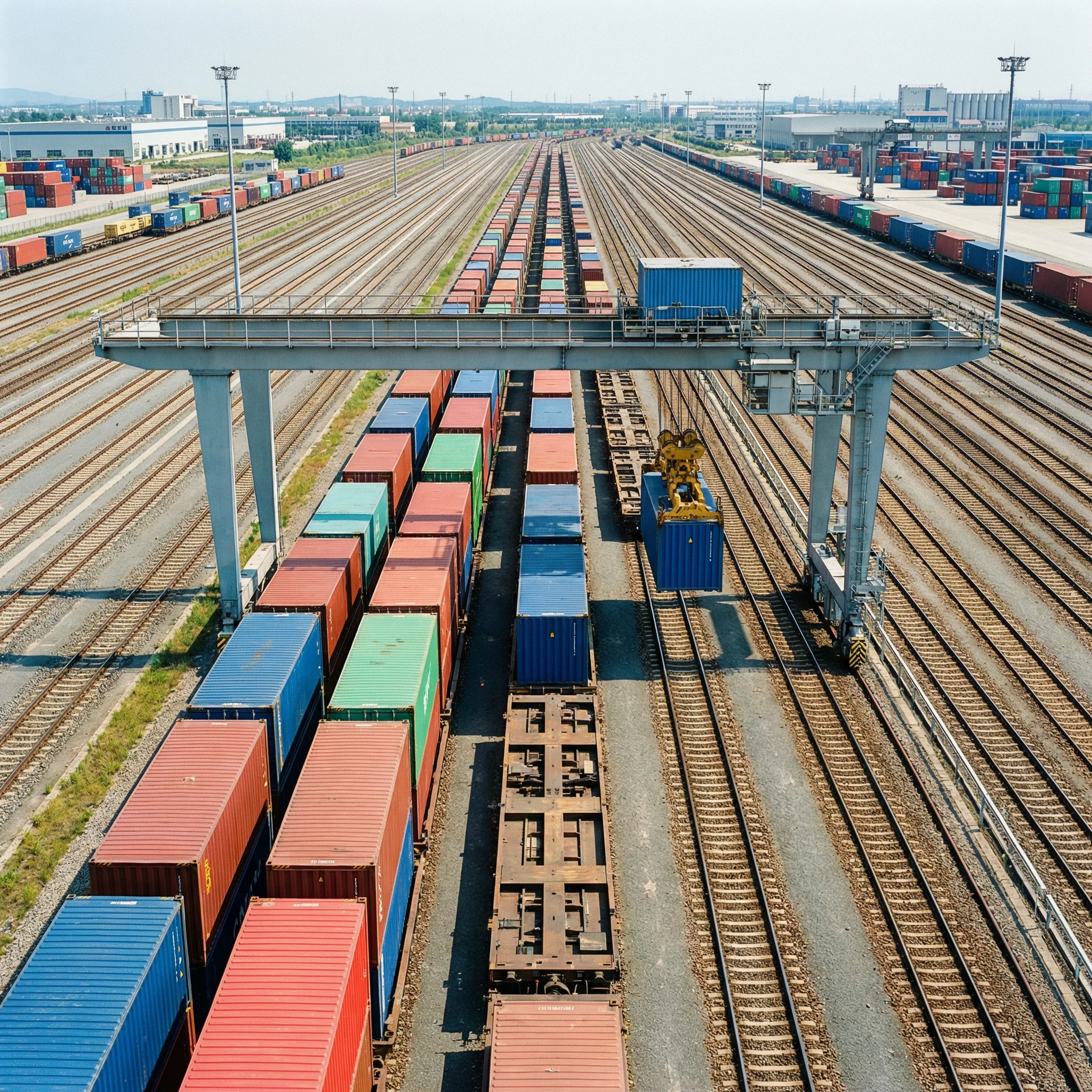
Imagine this. A freight train rumbles into the intermodal yard, packed with shipping containers that need offloading right away. Clock’s ticking. You’ve got about two hours to strip that train and get those containers onto trucks. Now, if the drayage trucks aren’t pre-staged, you end up with containers plonked on chassis, blocking lanes, causing a domino effect of delays. It’s a mess.
On the flip side, getting trucks to arrive too early isn’t any better. They sit there, engines humming, burning fuel, drivers frustrated and wasting time. It’s the worst kind of standstill—literally a logistical nightmare.
Matching Arrivals with Consist Unload
Here’s the thing. With CYMS’s Rail–Road Sync module, it doesn’t have to be that way. We sync the train’s ETA using feeds from Positive Train Control (PTC) and the European Rail Traffic Management System (ERTMS) with truck appointment slots. The goal? Ensure drayage trucks roll in within those sweet 15-minute windows, aligned perfectly with the sequence in which the train’s containers are unloaded.
This isn’t guesswork. It’s data-driven precision. Our system integrates smoothly with REST APIs and uses webhooks from Class I railroads and Port Community Systems (PCS). The result? Trucks are there right when they’re needed—not a minute sooner, not a minute later.
Dynamic Re-sequencing for Late Trains
Now, the real world is rarely perfect. Trains get delayed. Weather happens. Here’s where we get a bit nerdy. CYMS handles these hiccups by dynamically re-sequencing truck appointments the moment a delay is detected. We pull real-time data, crunch it, and adjust on the fly. No need to panic or scramble with phone calls and emails—it’s automatic.
This kind of flexibility is crucial. Say your train is running 30 minutes late. The system instantly recalculates, sending alerts to reschedule truck arrivals accordingly. Crane idle time goes down, efficiency goes up, and you don’t miss those critical rail cut-offs for exports.
The Numbers Speak for Themselves
So what changed with this approach? Let’s talk numbers, because they matter. We’ve seen train dwell times shorten by 45%. That’s not a typo. And truck idle-hours? They’ve dropped by 60%. Those improvements aren’t just percentages—they’re hours saved, costs slashed, and emissions reduced.
For operations managers, this means smoother handoffs, fewer bottlenecks, and a lot less headache. Plus, happier customers and happier drivers. It’s a win all around.
Ready to Sync Your Operations?
Look, integration might sound daunting, but it’s not. Our documentation covers the nitty-gritty details, including how to set up the API links and webhooks effectively.
Curious about how this could fit into your operations? Dive into the docs or, better yet, give it a try yourself. Experiment with a demo and see the difference in real-time coordination. Your team—and your bottom line—will thank you.