Rail planning, gate automation, yard stacking, warehouse execution, billing, and container control in one SaaS platform for inland multimodal intermodal terminals. Replace radios plus spreadsheets with live dashboards, AI stack planning, paperless customs packs, and terminal yard automation. Faster rail-truck handoffs. Fewer re-handles. Clear revenue.
Schedule a Demo Explore Modules
Rail schedules shift, truck slots change, and container yard inventory moves by the minute. Without terminal management software, inland sites lose visibility, miss rail cutoffs, then spend hours reconciling hand-written move logs.
Load lists live in spreadsheets. Planners scramble to align trucking windows with train departures, then lose time to re-handles.
Containers are stacked by habit, not by outbound priority. The result is extra crane cycles, longer truck turn time, and yard congestion.
Move logs get reconciled days later. Storage plus handling fees leak, while finance chases revenue instead of collecting it.
Bonded records are scattered across paper packs. Audits take days, exposing gaps that can trigger fines.
IMT terminal handling software is a cloud-based container handling solution that orchestrates the intermodal lifecycle: rail arrival planning, yard stacking, truck appointments, warehouse moves, billing, and logistics handoffs. Every move becomes structured data for planning, operations, finance, and business reporting.
Pre-arrival container load lists, rail cutoffs, and wagon assignments in one view. Planners align drayage with train schedules, reducing last-minute reshuffles.
Automation places outbound containers on top. Live yard map updates every move so the next lift is always the right lift.
IMT terminal handling software is a cloud-based yard operating system that orchestrates the intermodal lifecycle.
Rules-based tariffs calculate storage, handling, and demurrage instantly. Bonded cargo audit trails are generated with one click.
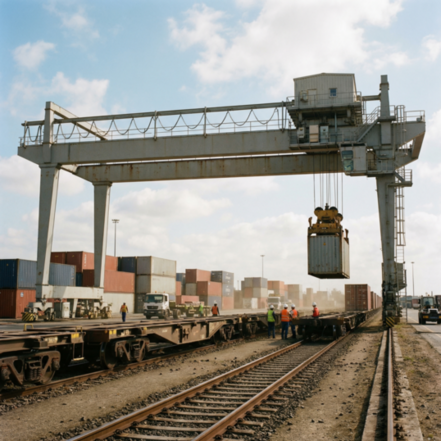
Automatic ETA updates, load list validation, and wagon allocation for terminal management. Planners see inbound conflicts before they happen.
Slot booking smooths peak arrivals. Drivers receive digital gate passes and real-time status alerts.
Every container position is known. The system recommends the next move to minimize re-handles plus crane travel.
Automation captures container IDs at gate and rail lanes. Faster check-in with fewer errors plus cleaner audit trails.
Terminal billing software calculates storage plus handling at the moment of movement. Invoices go out the same day.
Track terminal dwell, truck turn time, crane utilization, and performance monitoring in real time. Predictive alerts highlight bottlenecks early.
Open integrated REST endpoints and EDIFACT messaging connect rail operators, PCS, ERP, TMS systems, supply chain partners, and communication logs.
Live emission dashboards support sustainable transport reporting and ESG audits.

Long-haul rail hubs that need fast wagon turnarounds, reliable transport coordination, and scalable terminal tools.
ICDs seeking a single system for yard, warehouse, and customs operations.
Overflow facilities that need full visibility into inbound, outbound, and container flow.
Multi-client terminals that require automated billing and SLA reporting.
| Capability | Manual / Spreadsheet | CYMS IMT Terminal System |
|---|---|---|
| Rail planning | Static load lists | Live ETA and wagon planning |
| Yard stacking | Operator decision | AI stack optimization |
| Gate check-in | Paper forms | OCR and RFID |
| Truck slots | Phone calls | Digital appointments |
| Billing | Days later | Instant rules-based invoices |
| Compliance | Paper packs | Digital audit trails |
| Integration | Manual re-entry | API + EDI |
| Deployment | N/A | 2-3 days |
Map rail flows, yard layout, equipment fleet, tariff rules, and terminal management targets.
Configure planning, gate, yard automation, and billing modules. Run a parallel pilot on one rail lane.
Activate the full terminal. Weekly KPI reviews during hyper-care, followed by hand-off to the success team.
Yes. Container load lists are validated against bookings plus wagon capacity, with exceptions flagged before arrival. Planners can reassign slots, then publish updated lists instantly.
Yes. The platform supports REST APIs, EDIFACT messages, and webhooks. Integration templates exist for major rail operators and port community systems.
Digital appointments, OCR gate capture, and pre-advised load lists reduce manual checks. Drivers see real-time queue status plus gate allocation.
Yes. Bonded audit trails, time-stamped move logs, and automated customs reports are built in. Audits can be completed in minutes.
Most IMTs go live in 10-12 weeks, including discovery, pilot, training, and phased roll-out.
Yes. Mobile tablets plus rugged devices support yard moves, inspections, and real-time updates from any lane.
Tell us about your rail lanes, yard layout, equipment fleet, and logistics goals - we will show how the platform improves daily terminal efficiency.
Schedule a Demo